
Embark on a journey into the world of Portfolio Management Strategies, where the art of balancing risks and returns unfolds in a captivating narrative. Explore the intricacies of effective portfolio management and discover the key strategies that can lead to financial success.
Introduction to Portfolio Management Strategies
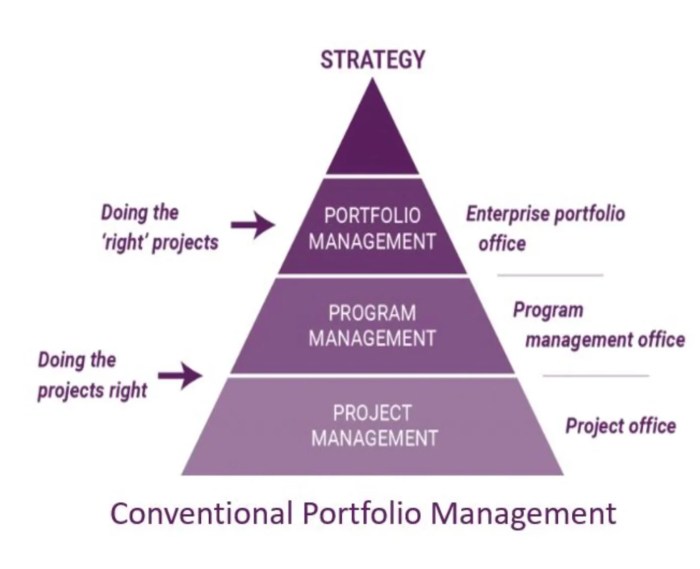
Portfolio management strategies refer to the techniques and approaches used to effectively manage a collection of investments to achieve specific financial goals. This involves selecting the right mix of assets, balancing risk and return, and making adjustments over time to optimize performance.
Importance of Effective Portfolio Management
- Minimizes risk: By diversifying investments across different asset classes, industries, and geographies, portfolio management helps reduce the impact of market volatility on overall returns.
- Maximizes returns: Through strategic allocation of assets based on market conditions and investment goals, portfolio management aims to generate the highest possible returns within a given level of risk.
- Ensures liquidity: Effective portfolio management ensures that investments can be easily bought or sold, providing flexibility to capitalize on opportunities or manage cash flow needs.
Goals of Implementing Portfolio Management Strategies
- Capital preservation: Protecting the initial investment and minimizing losses during market downturns.
- Capital growth: Increasing the value of the portfolio over time through strategic asset allocation and investment selection.
- Income generation: Generating a steady stream of income through dividend-paying stocks, bonds, or other income-producing assets.
Portfolio Management Strategies Based on Investment Goals and Risk Tolerance
Portfolio management strategies can vary depending on an individual’s investment goals and risk tolerance. For example, a conservative investor may focus on capital preservation and income generation, while an aggressive investor may prioritize capital growth and accept higher levels of risk.
Types of Portfolio Management Strategies
Active vs. Passive Portfolio Management Strategies:Active portfolio management involves frequent buying and selling of securities in an attempt to outperform the market. This strategy requires a hands-on approach and relies on the expertise of fund managers to make investment decisions. On the other hand, passive portfolio management aims to replicate the performance of a specific market index. This strategy typically involves lower costs as it requires less frequent trading.
Tactical Asset Allocation Strategies
Tactical asset allocation strategies involve adjusting the asset allocation of a portfolio based on short-term market conditions or opportunities. This approach allows investors to capitalize on changing market trends and optimize their portfolio returns. By actively shifting allocations between asset classes, investors can potentially enhance their overall portfolio performance.
Dynamic vs. Static Portfolio Management Approaches
Dynamic portfolio management involves making frequent adjustments to the portfolio in response to market conditions, economic indicators, and other factors. This approach aims to capitalize on short-term opportunities and mitigate risks. In contrast, static portfolio management maintains a consistent asset allocation over time without making frequent changes. This approach is more passive and relies on a long-term investment strategy.
Strategic vs Opportunistic Portfolio Management Strategies
Strategic portfolio management focuses on long-term goals and objectives, with a predetermined asset allocation based on an investor’s risk tolerance and investment horizon. This approach involves periodic rebalancing to maintain the desired asset mix. Opportunistic portfolio management, on the other hand, involves taking advantage of short-term opportunities in the market to generate higher returns. This strategy requires active monitoring of market conditions and quick decision-making.
Risk Management in Portfolio Management
Risk management in portfolio management involves strategies aimed at minimizing potential losses and maximizing returns. It is crucial for investors to assess and mitigate risks to achieve their financial goals.
Diversification in Managing Portfolio Risk
Diversification plays a key role in managing portfolio risk by spreading investments across different asset classes, industries, and geographic regions. By diversifying, investors can reduce the impact of a decline in any single investment on the overall portfolio.
- Diversification helps to lower the overall risk of the portfolio by not putting all eggs in one basket.
- Investors can achieve diversification through a mix of stocks, bonds, real estate, and other asset classes.
- By spreading investments, investors can potentially improve risk-adjusted returns over the long term.
Asset Allocation for Risk Management
Asset allocation is another crucial component of risk management in portfolio management. It involves determining the optimal mix of asset classes based on the investor’s risk tolerance, time horizon, and financial goals.
- Asset allocation helps in balancing risk and return by allocating investments across different asset classes.
- By diversifying within asset classes (e.g., large-cap, small-cap, international stocks), investors can further reduce risk.
- Regularly rebalancing the portfolio to maintain the desired asset allocation is essential for effective risk management.
Examples of Risk Management Strategies
There are various risk management strategies used in portfolio management to protect against market volatility and unforeseen events. Some common examples include:
- Stop-loss orders: Setting predetermined exit points to limit losses on investments.
- Hedging: Using derivatives or other instruments to offset potential losses in a portfolio.
- Asset class rotation: Shifting investments between asset classes based on market conditions to manage risk exposure.
Portfolio Diversification
Portfolio diversification is a strategy used by investors to spread their investments across different asset classes, sectors, and geographical regions. The main goal of portfolio diversification is to reduce risk by not putting all eggs in one basket. Diversification helps in minimizing the impact of volatility in one particular investment on the overall portfolio.
Asset Class Diversification
Asset class diversification involves investing in a mix of different types of assets such as stocks, bonds, real estate, and commodities. By diversifying across asset classes, investors can reduce the risk of their portfolio being negatively impacted by a downturn in any particular asset class.
Sector Diversification
Sector diversification refers to investing in companies across different industries or sectors. For example, an investor can diversify their portfolio by including companies from sectors like technology, healthcare, finance, and consumer goods. This helps in reducing the risk associated with the performance of a single sector.
Geographical Diversification
Geographical diversification involves investing in companies or assets located in different countries or regions. By spreading investments geographically, investors can reduce the risk of being adversely affected by any political, economic, or social issues specific to one country or region.
Examples of Successful Portfolio Diversification Strategies
- A well-diversified portfolio may include a mix of large-cap, mid-cap, and small-cap stocks to balance risk and return.
- Investing in a combination of domestic and international stocks can help in spreading geopolitical risk.
- Including both stocks and bonds in a portfolio can provide a hedge against market volatility.
- Allocating a portion of the portfolio to alternative investments like real estate or commodities can further enhance diversification and reduce risk.
Portfolio Management Techniques
Fundamental analysis plays a crucial role in portfolio management by evaluating the intrinsic value of securities. It involves analyzing financial statements, economic indicators, industry trends, and company performance to make informed investment decisions.
Fundamental Analysis in Portfolio Management
Fundamental analysis is a method used by investors to evaluate the intrinsic value of a security by examining related economic, financial, and other qualitative and quantitative factors. This analysis helps investors make informed decisions about buying, holding, or selling securities in their portfolio.
Technical Analysis Methods
- Technical analysis involves studying past market data, primarily price and volume, to forecast future price movements. It focuses on chart patterns, trends, and indicators to make investment decisions.
- Common technical analysis tools include moving averages, support and resistance levels, and various chart patterns like head and shoulders, double tops, and triangles.
Quantitative Analysis Techniques
- Quantitative analysis uses mathematical and statistical models to evaluate securities and make investment decisions. It involves analyzing historical data, financial ratios, and other quantitative factors to assess risk and return.
- Some quantitative analysis techniques include regression analysis, Monte Carlo simulations, and risk-adjusted return measures like Sharpe ratio and Treynor ratio.
Portfolio Rebalancing Strategies
- Periodic Rebalancing: Involves adjusting the portfolio back to its target asset allocation at regular intervals, typically quarterly or annually.
- Constant Weighting: Maintains a fixed allocation percentage for each asset class, periodically adjusting to maintain the desired weights.
- Threshold Rebalancing: Triggers rebalancing when an asset class deviates from its target allocation by a certain threshold, ensuring the portfolio stays within set limits.
As we conclude this insightful discussion on Portfolio Management Strategies, remember that mastering the art of diversification, risk management, and strategic planning is the key to achieving your investment goals. Start applying these strategies today to pave the way for a prosperous financial future.
Frequently Asked Questions
How do I define portfolio management strategies?
Portfolio management strategies involve the techniques and processes used to manage a collection of investments to achieve specific financial objectives.
What is the role of diversification in portfolio risk management?
Diversification helps spread investment risk by investing in a variety of assets, reducing the impact of any single investment’s performance on the overall portfolio.
What are some examples of risk management strategies in portfolio management?
Examples include stop-loss orders, hedging with options, and using trailing stops to protect gains and limit losses.


